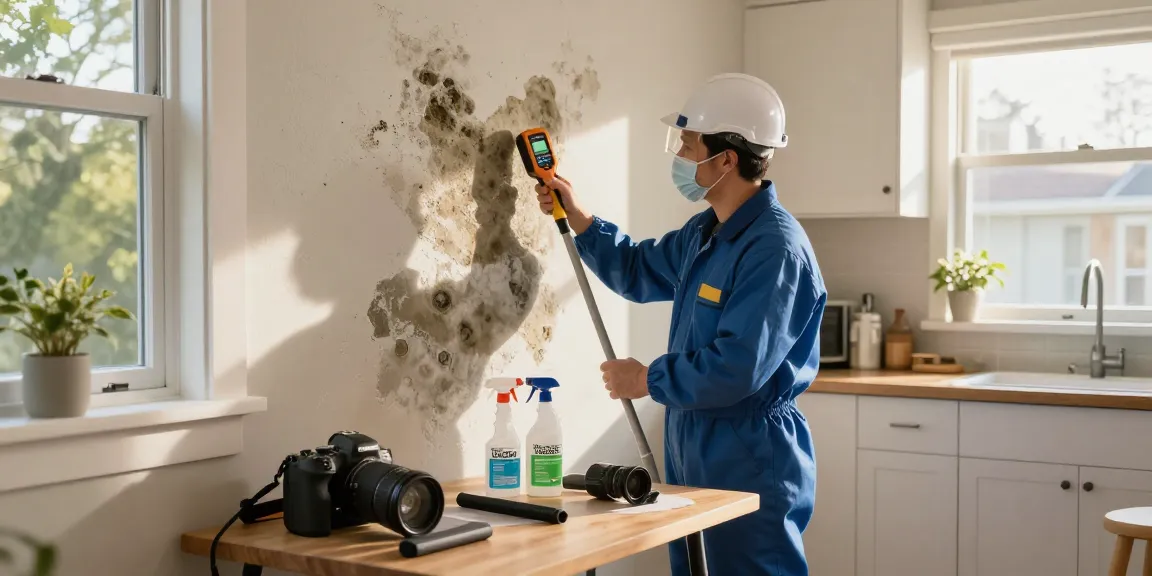
Understanding Mold Remediation in West Vancouver
Mold is a common issue faced by homeowners in West Vancouver, particularly due to the region’s coastal climate, which can foster damp conditions ideal for mold growth. Understanding the process of Mold Remediation West Vancouver is crucial for maintaining a healthy home environment. This article outlines what mold remediation entails, the types of mold commonly found in the region, the importance of addressing mold issues promptly, and how to recognize when you need professional help.
What is Mold Remediation?
Mold remediation is the process of removing mold from a property and addressing the conditions that allow mold to thrive. This includes cleaning or removing contaminated materials and improving ventilation to prevent future mold growth. Unlike mere cleaning, mold remediation involves thorough inspection, containment, and restoration processes to ensure that mold does not return.
Common Types of Mold Found in West Vancouver Homes
West Vancouver is home to a variety of mold species, some of which can pose health risks. Common types include:
- Aspergillus: Often found in damp environments, it can cause respiratory issues.
- Penicillium: Known for its blue-green color, it typically grows on water-damaged materials.
- Stachybotrys (Black Mold): Highly toxic, it produces mycotoxins that can lead to severe health problems.
- Cladosporium: Commonly found outdoors, it can also thrive indoors in damp areas.
The Importance of Mold Remediation for Health
Mold exposure can lead to multiple health problems, particularly for individuals with respiratory issues, allergies, or weakened immune systems. Symptoms can range from mild allergic reactions to more severe respiratory distress. Therefore, addressing mold promptly is essential to protect both your health and your home’s integrity.
Signs You Need Mold Remediation
Identifying the need for mold remediation is the first step in addressing a potential mold problem. Homeowners should be aware of key signs that indicate mold might be present.
Identifying Visible and Hidden Mold
Visible mold can appear in various colors and textures, commonly found on walls, ceilings, and floors. However, mold often grows in hidden areas such as behind drywall, under carpets, and inside crawl spaces, making it challenging to detect without a thorough inspection.
Health Symptoms Indicating Mold Presence
Health symptoms often associated with mold exposure include:
- Chronic cough or sneezing
- Skin irritation or rashes
- Sinus congestion
- Fatigue and headaches
If you or your family members experience these symptoms, particularly after water damage or in humid conditions, it may indicate the presence of mold.
Common Areas for Mold Growth in West Vancouver
Mold thrives in areas with high moisture levels. Common locations include:
- Bathrooms: Due to high humidity from showers.
- Kitchens: Leaks and spills can create damp conditions.
- Basements: Poor drainage and humidity can lead to significant mold growth.
- Attics: Inadequate ventilation can trap moisture.
The Mold Remediation Process Explained
Understanding the mold remediation process can help homeowners take proactive steps in handling mold issues effectively.
Initial Inspection and Assessment Steps
The remediation process begins with a comprehensive inspection to identify the extent of the mold infestation and the source of moisture. Techniques like moisture mapping and air quality testing help pinpoint hidden mold and assess the situation accurately.
Containment Measures During Remediation
During remediation, proper containment is paramount to prevent mold spores from spreading to unaffected areas. This is achieved through:
- Setting up physical barriers using plastic sheeting.
- Implementing negative air pressure systems to control airflow.
- Turning off HVAC systems to minimize air circulation.
Post-Remediation Cleaning and Restoration
Once the mold has been removed, thorough cleaning and restoration of affected areas is necessary. This includes:
- Sanitizing surfaces with antifungal agents.
- Repairing or replacing damaged materials.
- Improving drainage and ventilation to mitigate future mold growth.
Choosing the Right Mold Remediation Service
Selecting a qualified mold remediation company is essential for effective treatment. Here are some factors to consider.
What to Look for in a Mold Remediation Company
When searching for a mold remediation service, consider the following:
- Certification and Experience: Ensure the company holds the necessary certifications, such as IICRC, and has a track record of successful mold remediation.
- Comprehensive Services: Look for companies that offer complete assessments, removal, and restoration services.
- Customer Reviews: Check for positive feedback and testimonials from previous clients to gauge reliability.
Questions to Ask Before Hiring Experts
Before committing to a mold remediation service, inquire about:
- Their process and methodologies for detecting and removing mold.
- What guarantees they provide for their work.
- The expected timeline for remediation.
Understanding Cost Factors in West Vancouver
Mold remediation costs can vary significantly based on several factors:
- Extent of mold infestation and required materials for remediation.
- Size of the affected area.
- Time required for the remediation process.
Obtaining a detailed estimate before commencing work is advisable to avoid unexpected costs.
Preventing Future Mold Growth
After remediation, preventing future mold growth is critical to maintaining a healthy home.
Best Practices for Moisture Control
Effective moisture control is key to preventing mold. Homeowners can implement several strategies:
- Use dehumidifiers in high-humidity areas.
- Ensure proper ventilation in kitchens and bathrooms.
- Regularly check for leaks in plumbing and roofs.
Regular Home Maintenance Tips
Routine maintenance can help prevent water intrusion and moisture buildup:
- Inspect and clean gutters to prevent overflow.
- Seal cracks in walls and foundations.
- Maintain HVAC systems to ensure efficient operation.
Utilizing Technology for Mold Prevention
Advancements in technology provide effective mold prevention tools:
- Smart humidity sensors can alert homeowners of rising moisture levels.
- Infrared cameras can help detect hidden moisture sources.
What Does Professional Mold Remediation Cost in 2026?
As of 2026, average costs for professional mold remediation in West Vancouver range from $500 to $3,000, depending on various factors including the severity of the infestation and required repairs.
How to Ensure Long-term Results After Remediation?
To maintain long-term results post-remediation, homeowners should regularly inspect their properties for signs of moisture and mold, address any leaks promptly, and remain vigilant about humidity levels.
Future Trends in Mold Remediation and Prevention
The mold remediation industry is evolving to incorporate more eco-friendly practices, including the use of green cleaning products and advanced technologies that minimize environmental impact while ensuring effective mold removal.
Frequently Asked Questions About Mold Remediation
Addressing common queries can help homeowners navigate the mold remediation process more confidently.
Can I Stay in My House During Remediation?
Staying in your home during the initial stages of remediation is typically not advisable, especially if the mold is extensive. It’s best to vacate the premises until thorough cleaning and repairs are completed.
How Long Does Mold Remediation Typically Take?
The duration of the remediation process depends on the extent of the mold issue. Most projects can be completed within 1 to 5 days, but larger infestations may take longer.
What Are Common Mistakes in DIY Mold Removal?
Homeowners often make mistakes when attempting DIY mold removal, including:
- Using bleach, which does not kill mold spores effectively.
- Focusing only on visible mold without addressing underlying moisture issues.
- Neglecting proper safety gear, leading to health risks during cleanup.