Understanding the Role of Metal Roofing Contractors
When embarking on a roofing project, the role of metal roofing contractors is pivotal. They not only install roofing systems but also provide essential expertise in material selection, compliance with local codes, and implementation of best practices for durability and aesthetics. Whether you are building a new structure or replacing an old roof, choosing a knowledgeable contractor can significantly influence the overall outcome and longevity of your project.
What Do Metal Roofing Contractors Do?
Metal roofing contractors specialize in the installation, repair, and maintenance of metal roofs. Their expertise encompasses a variety of tasks, including:
- Roof Inspection: Assessing the condition of existing roofs and determining the feasibility of metal roofing.
- Material Selection: Guiding clients in choosing the right type of metal, such as aluminum, steel, copper, or zinc, based on factors like climate, aesthetics, and budget.
- Installation: Employing techniques that ensure proper sealing and alignment to prevent leaks and damage.
- Compliance: Ensuring that installations comply with local building codes and standards.
- Maintenance and Repairs: Offering ongoing maintenance services and addressing any issues that may arise post-installation.
Key Skills to Look for in a Contractor
Hiring a skilled metal roofing contractor requires careful consideration. Look for the following attributes:
- Experience: A contractor with a proven track record in metal roofing will have the necessary knowledge to handle various challenges.
- Licensing and Insurance: Ensure the contractor is licensed to operate in your area and carries adequate insurance to protect against potential liabilities.
- Portfolio of Work: A solid portfolio showcasing previous projects can give you confidence in their capabilities.
- Client Reviews: Testimonials from past clients can provide insights into the contractor’s reliability and quality of work.
- Communication Skills: Effective communication is key to ensuring that both parties are aligned on project expectations.
Benefits of Hiring Professional Contractors
Opting for professional metal roofing services comes with numerous advantages:
- Quality Assurance: Professional contractors adhere to industry standards, ensuring high-quality work.
- Safety: Experienced contractors are trained in safety protocols, minimizing the risk of accidents during installation.
- Time Efficiency: Professionals can complete the project more quickly than DIY efforts, allowing you to enjoy your new roof sooner.
- Warranty Protection: Many professionals offer warranties on their work, providing peace of mind against future issues.
Choosing the Right Materials for Your Project
The choice of materials is critical when planning a metal roofing project. The right materials can enhance both the functionality and visual appeal of your roof.
Types of Metal Roofing Materials Available
Metal roofing options include a variety of materials, each with unique benefits:
- Steel: Known for its strength and affordability, steel roofing often comes in galvanized or galvalume finishes for added corrosion resistance.
- Aluminum: Lightweight and resistant to corrosion, aluminum is ideal for coastal areas with high humidity and salt exposure.
- Copper: Although more expensive, copper roofing offers exceptional longevity and an attractive patina over time.
- Zinc: Like copper, zinc develops a protective patina and is highly sustainable, making it a popular eco-friendly choice.
Factors Affecting Material Selection
Several factors should influence your choice of roofing material:
- Climate: Consider the local weather conditions; for instance, heavier materials may be beneficial in areas prone to high winds.
- Budget: Your financial plan will impact your material choices; weigh initial costs against long-term durability and maintenance expenses.
- Building Style: The architectural style of your home may dictate which materials complement its appearance.
- Environmental Impact: Opt for sustainable materials if environmental concerns are a priority for you.
Durability and Long-term Performance Considerations
Metal roofing is known for its durability, but specific performance metrics should be considered:
- Life Span: Many metal roofs can last 40-70 years with proper maintenance.
- Resistance to Elements: Metal roofs are resistant to wind, hail, and even wildfires, making them suitable for various climates.
- Energy Efficiency: Reflective coatings can enhance energy efficiency, helping to reduce cooling costs.
Common Challenges in Metal Roofing Installation
While metal roofing offers various benefits, its installation can present challenges that require attention.
Weather-Related Installation Issues
Weather conditions can significantly impact the installation process. Rain, snow, or extreme temperatures may lead to delays or require specific techniques to ensure proper installation. Contractors often need to monitor the forecast closely and plan accordingly to avoid complications.
Safety Protocols and Best Practices
Safety is paramount during the installation process. Contractors should adhere to best practices, including:
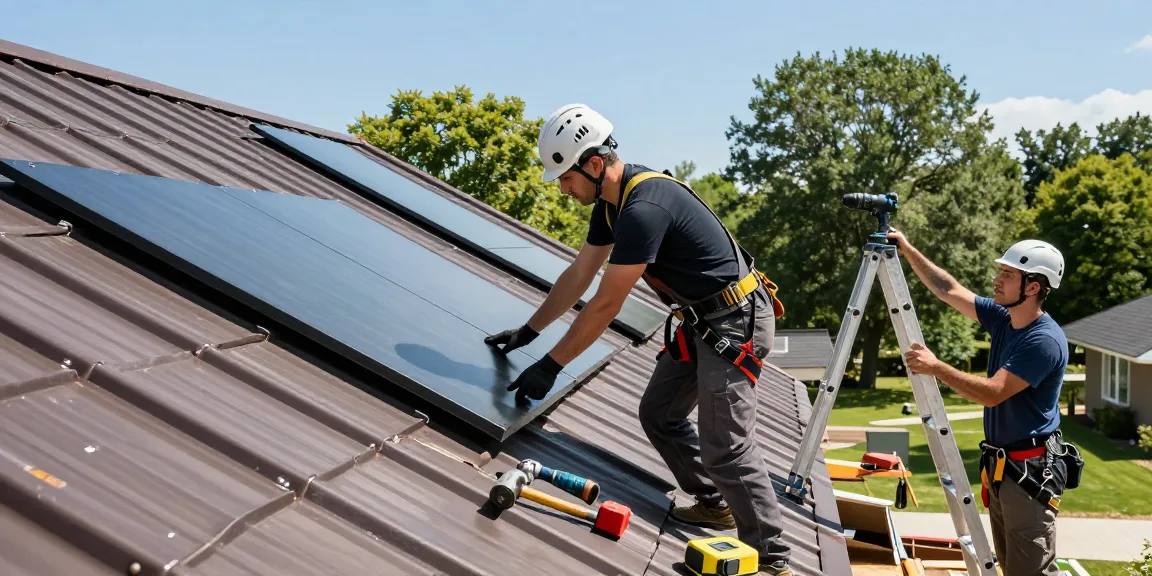
- Utilizing Personal Protective Equipment (PPE): Hard hats, gloves, and fall protection harnesses are essential.
- Following Guidelines: Adhering to OSHA regulations helps prevent accidents and injuries.
- Proper Equipment Use: Ensuring that all tools and equipment are well-maintained reduces the risk of malfunctions.
Addressing Misconceptions About Metal Roofing
There are several myths surrounding metal roofing that can deter homeowners:
- Noise: Many believe metal roofs are excessively noisy; however, proper insulation can mitigate this issue.
- Lightning Risk: Contrary to popular belief, metal roofs do not attract lightning; they conduct electricity safely.
- Cost: While upfront costs may be higher, the long-term savings and durability can outweigh initial investments.
Future Trends in Metal Roofing for 2026
As we look toward 2026, several trends are emerging in the metal roofing industry that homeowners and contractors should be aware of.
Emerging Technologies and Innovations
Technological advancements are shaping the future of metal roofing, including:
- Smart Roofing Systems: The integration of IoT (Internet of Things) technology allows for real-time monitoring of roof conditions.
- Improved Coatings: New coatings enhance durability and energy efficiency, reflecting solar heat and improving indoor comfort.
Eco-Friendly Options in Metal Roofing
As environmental awareness grows, eco-friendly roofing solutions are gaining popularity:
- Recyclable Materials: Many metal roofing products are made from recycled materials and can be fully recycled at the end of their life.
- Solar Integration: Systems that integrate solar panels with metal roofing are becoming increasingly prevalent, providing dual benefits of energy generation and roofing protection.
Forecasting Demand and Market Growth
Market growth projections indicate a rising demand for metal roofing due to:
- Increased Awareness: Homeowners are becoming more aware of the benefits of metal roofing, driving demand.
- Regulatory Changes: Stricter building codes and energy efficiency regulations may encourage more metal roofing installations.
How to Maintain Metal Roofing After Installation
Proper maintenance of your metal roof is vital to ensuring its longevity and optimal performance.
Regular Maintenance Tips for Homeowners
Routine checks provide an opportunity to identify potential issues early:
- Cleaning: Regularly remove debris, leaves, and branches to prevent moisture buildup.
- Inspections: Conduct inspections at least twice a year, especially after severe weather events.
- Gutter Maintenance: Ensure gutters are clear to facilitate proper drainage and prevent water damage.
Common Repairs and Problem Areas
Being proactive can address common issues, such as:
- Rust: Inspect for rust spots and apply protective coatings as necessary.
- Loose Panels: Check for any loose panels and re-secure them to prevent further damage.
- Sealant Integrity: Ensure that all seams and flashing remain intact and reseal where needed.
Professional Maintenance Services: When to Hire
While homeowners can handle basic maintenance, there are times when professional services are warranted:
- Severe Damage: If significant damage occurs, it’s best to call in professionals to assess and repair.
- Systematic Inspections: Regular professional inspections can ensure that your roof remains in top condition, identifying issues before they escalate.
What are the cost factors in hiring metal roofing contractors?
The costs associated with hiring metal roofing contractors can vary based on several factors:
- Project Size: Larger projects naturally incur higher costs due to more materials and labor.
- Material Choice: The type of metal chosen will significantly impact pricing; for example, copper is generally more expensive than steel.
- Labor Costs: Regional labor rates can affect overall pricing; urban areas may see higher costs than rural regions.
- Complexity of Installation: More intricate designs or roofing structures may require specialized skills, influencing labor costs.
How can I find reputable metal roofing contractors?
Finding a trustworthy contractor involves thorough research:
- Online Reviews: Utilize platforms like Google and Yelp to read customer feedback.
- Ask for Recommendations: Word-of-mouth recommendations from friends or family can lead to reputable professionals.
- Check Credentials: Confirm that contractors are licensed and insured and ask for references from previous clients.
What are the benefits of metal roofing compared to other materials?
Metal roofing offers several advantages over traditional options:
- Longevity: Metal roofs often last longer than asphalt shingles, typically boasting life spans of 40-70 years.
- Energy Efficiency: Metal reflects solar heat, which can lower cooling costs in warm climates.
- Maintenance: Metal roofs require less maintenance compared to other materials like asphalt, which may need frequent repairs.
- Eco-Friendliness: Many metal roofing products are recyclable and contribute to sustainable building practices.
How long does a metal roof typically last?
On average, a well-installed metal roof can last between 40 to 70 years, depending on the material used, maintenance, and environmental conditions. This extended lifespan makes metal roofing a cost-effective investment over time.
Are there financing options for roof installation projects?
Many contractors offer financing options to help mitigate the upfront costs of roof installation. Options may include:
- Installment Plans: Spread payments over a set period to make larger projects more manageable.
- Home Improvement Loans: Specialized loans for home renovations can help finance roofing projects.
- Credit Options: Some contractors partner with financing companies to provide credit plans for clients.